



The Carbon Footprint and the Future
Looking ahead to 2027
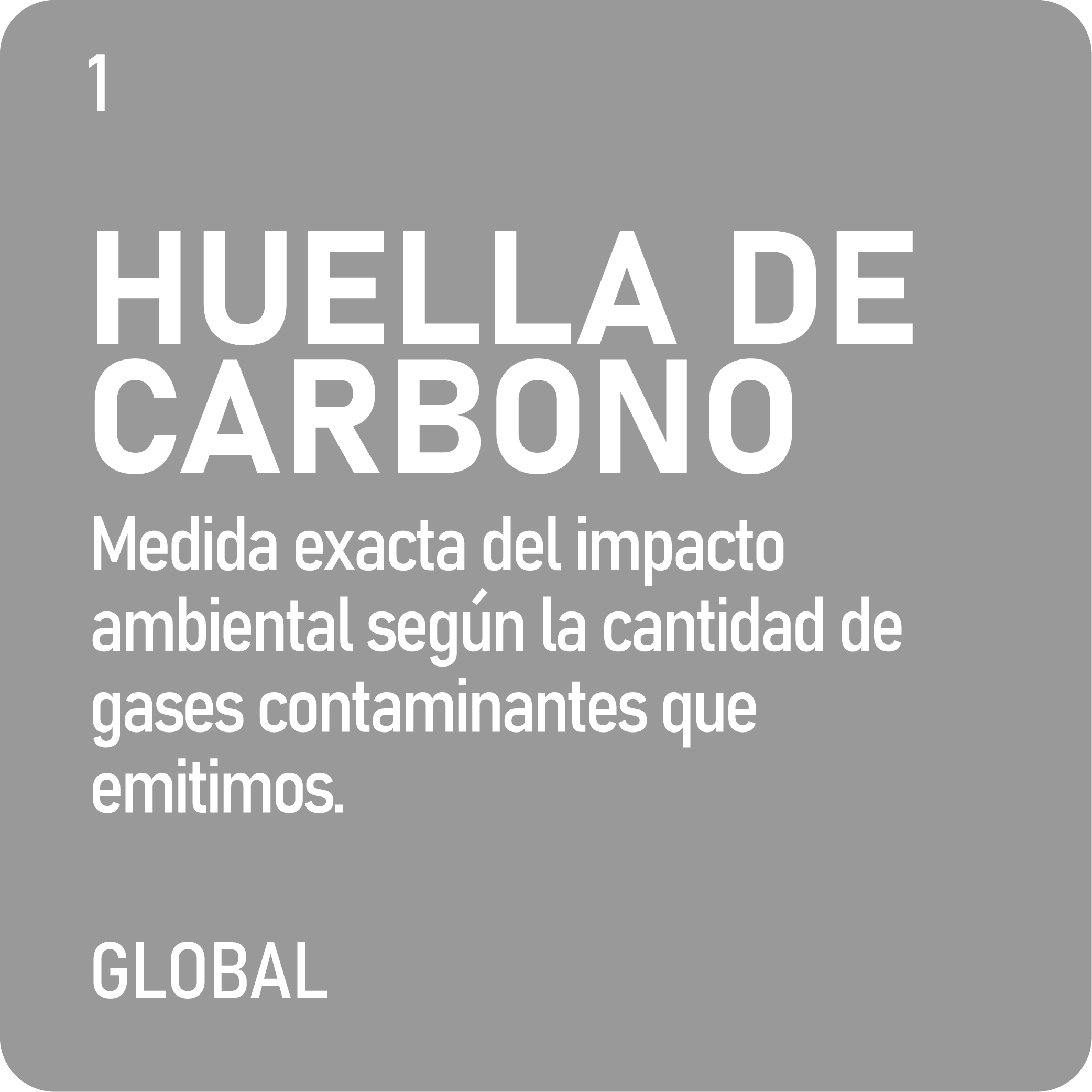
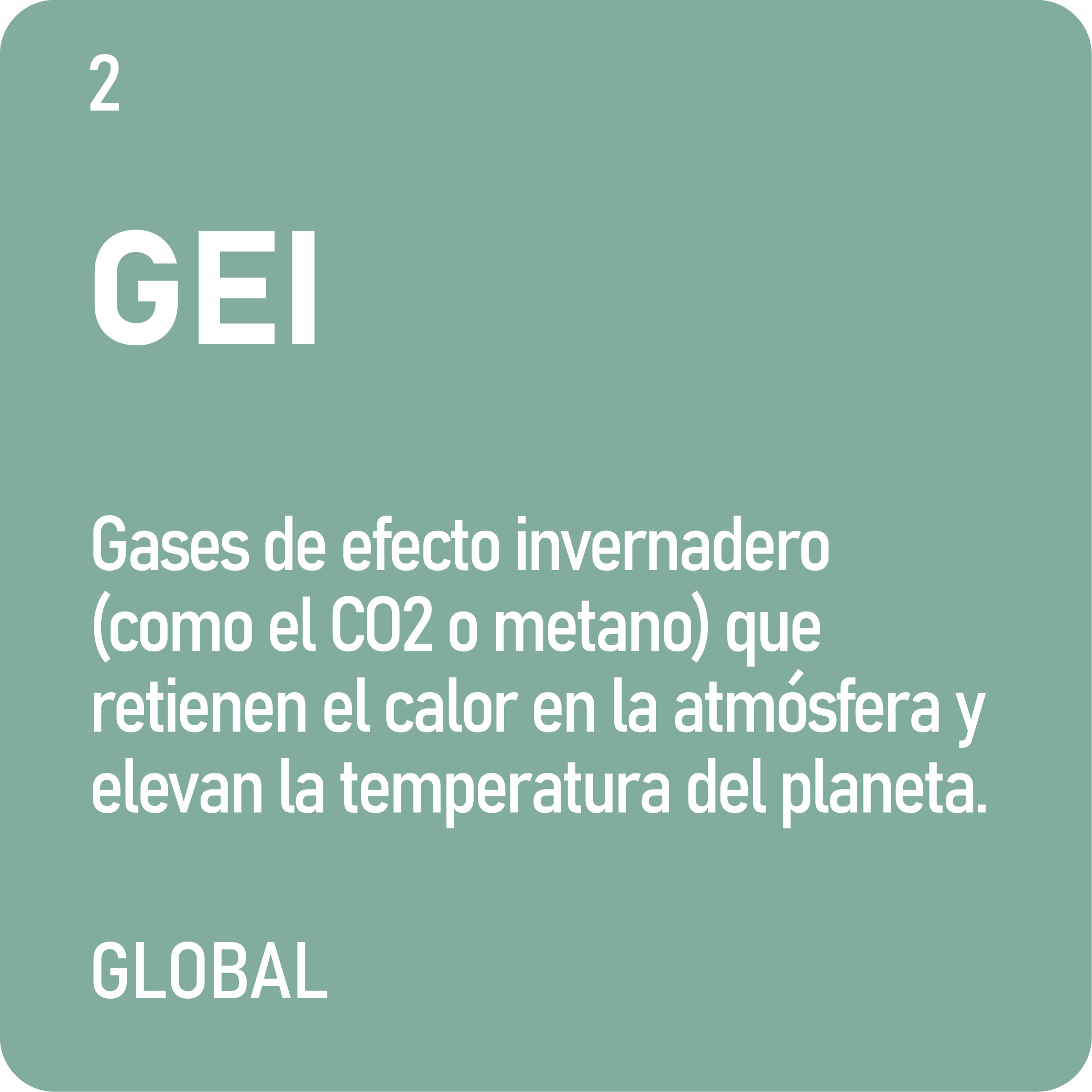
Concerns about the environment and the impact of human activity on the planet have led to the creation of various metrics to assess and manage sustainability. One of the most important of these is the carbon footprint, a key indicator that measures the amount of greenhouse gases (GHGs) emitted into the atmosphere as a result of the direct and indirect activities of an individual, organisation, event or product. Understanding and reducing one’s carbon footprint is essential for mitigating climate change and moving towards a more sustainable future.


Have you ever stopped to think about the real impact that industrial production has on the planet? In the coatings and varnishes sector, talking about the ‘carbon footprint’ is not just a passing fad; it is that key indicator we have just mentioned. Reducing this footprint has become the most important challenge of our decade. It is not just about manufacturing excellent products, but about doing so responsibly, protecting the environment we all share and ensuring that our factories set an example of energy efficiency and respect for the environment.
What does law say for 2027?
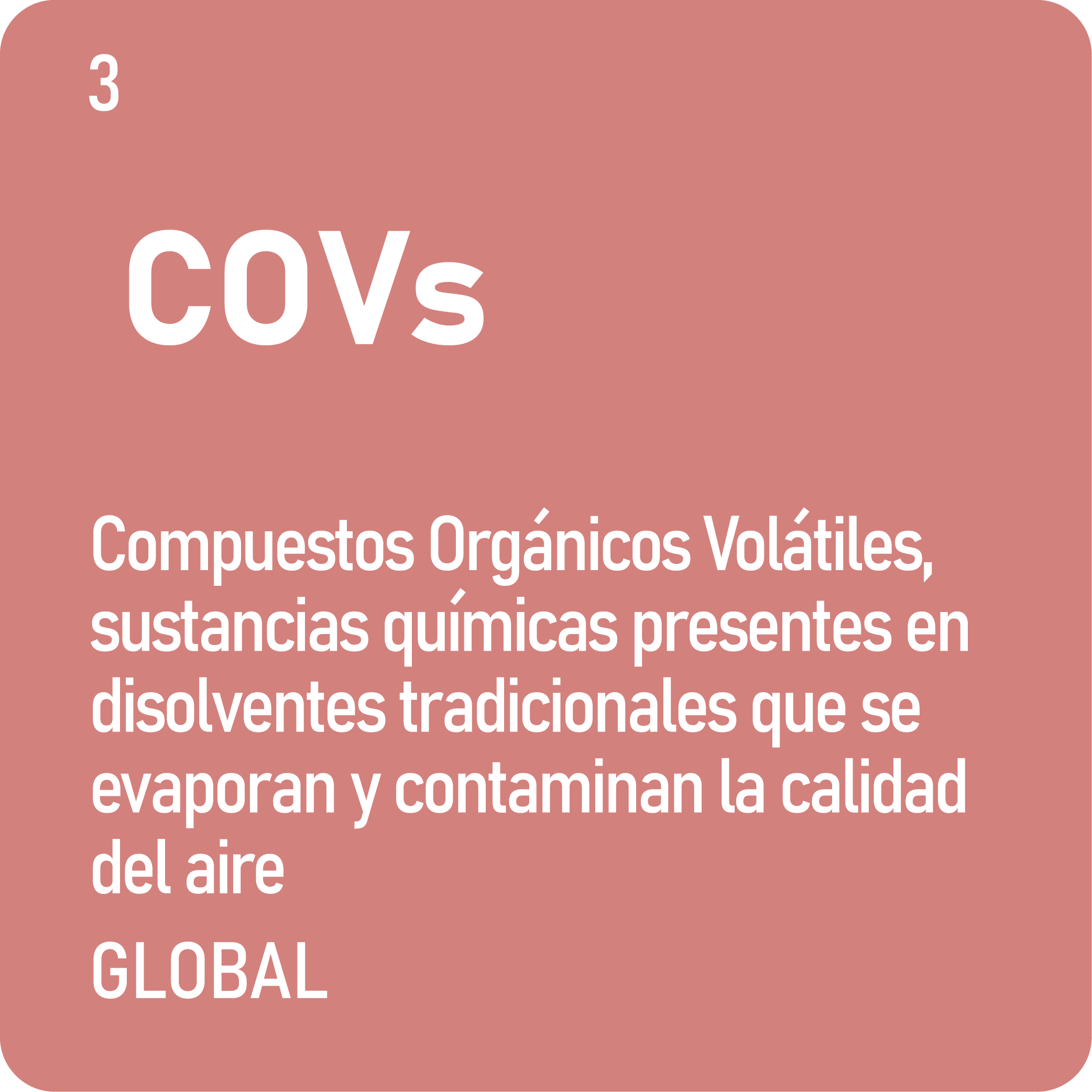
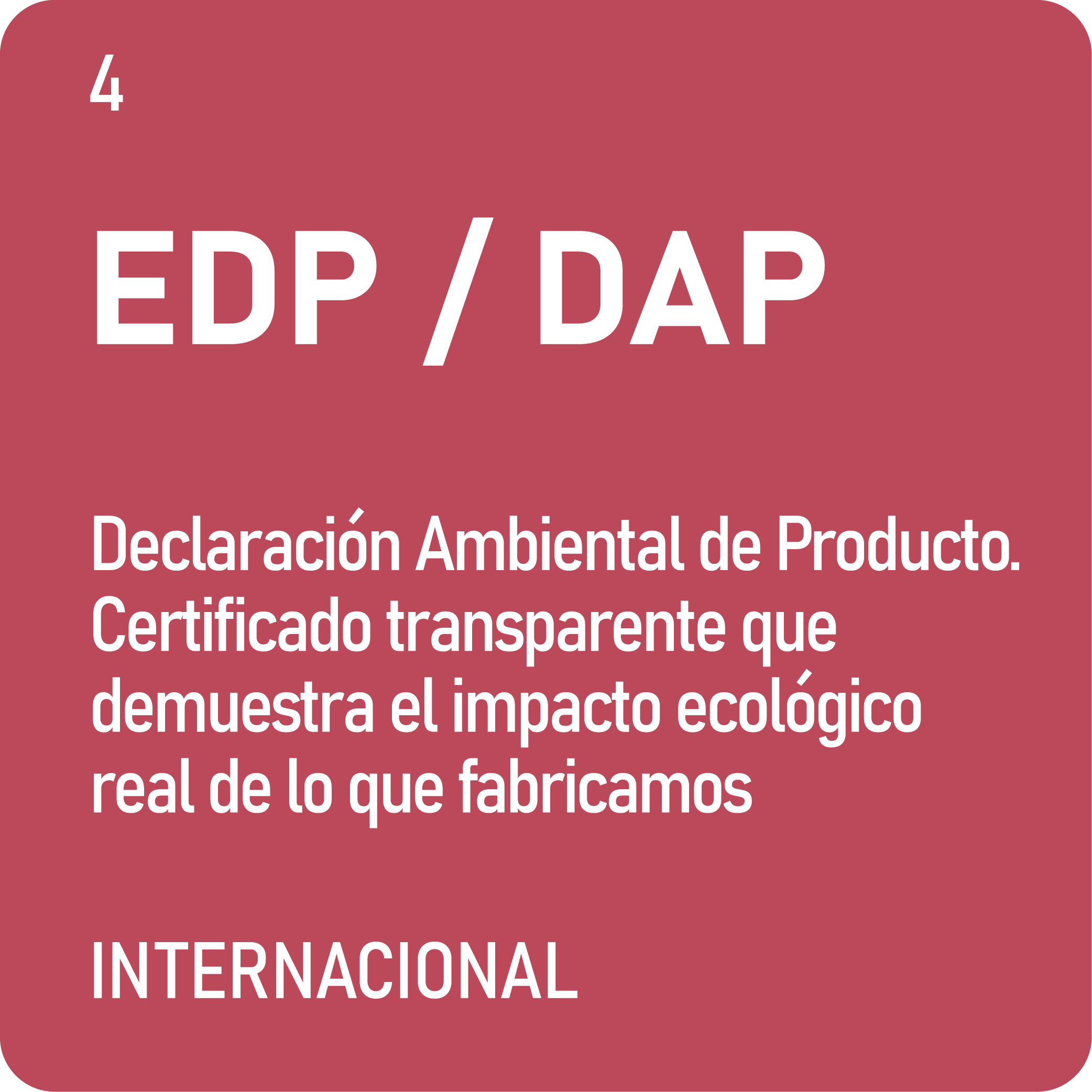
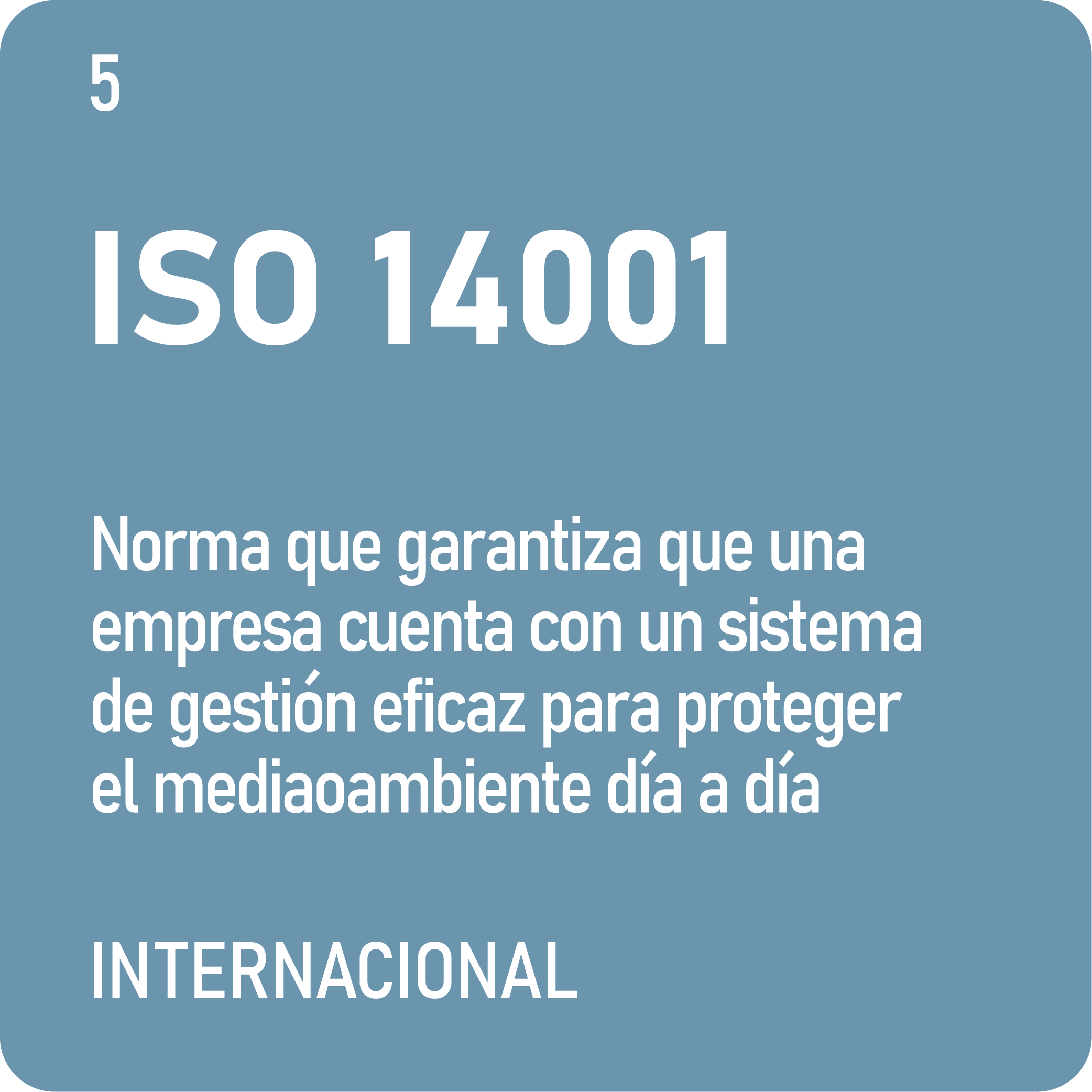
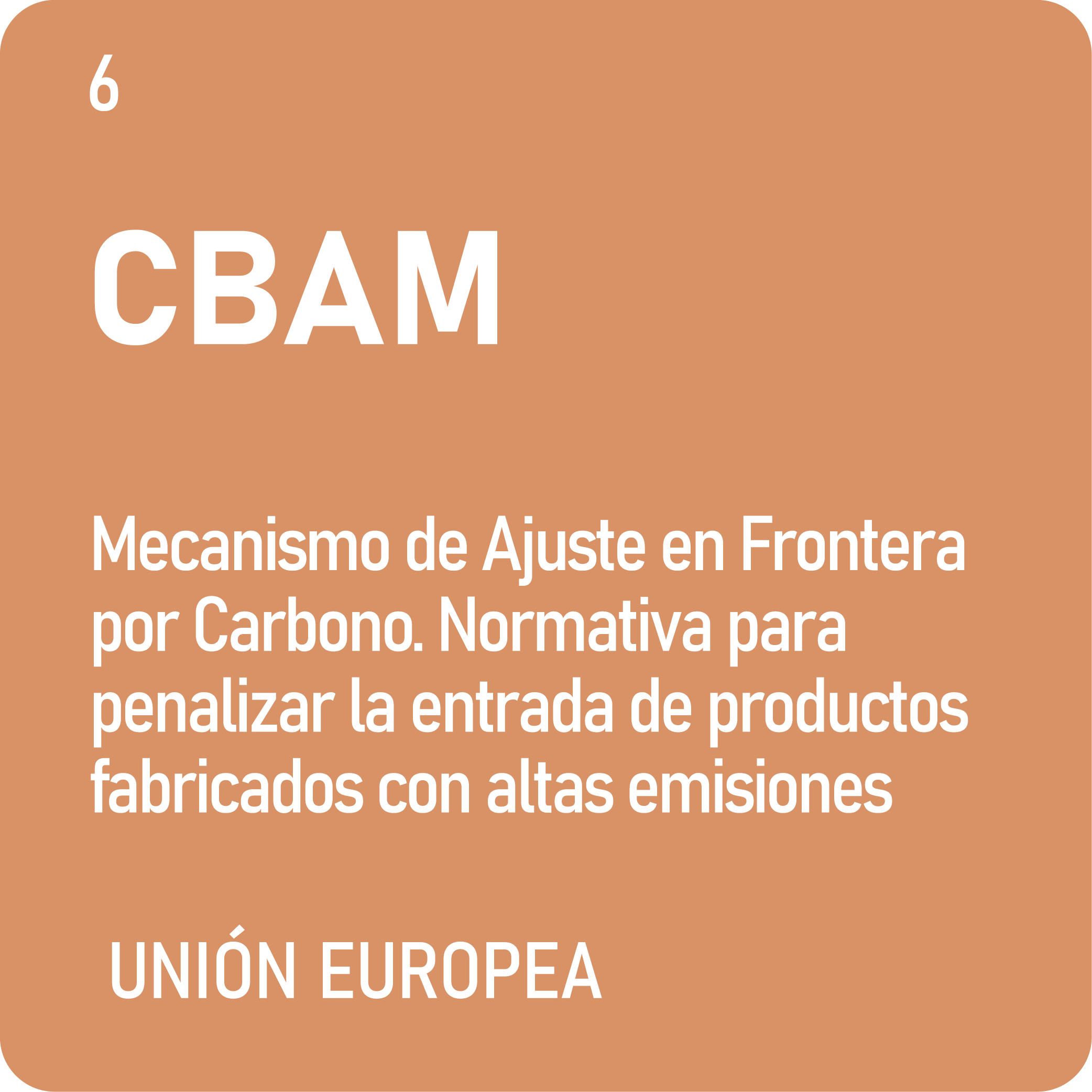
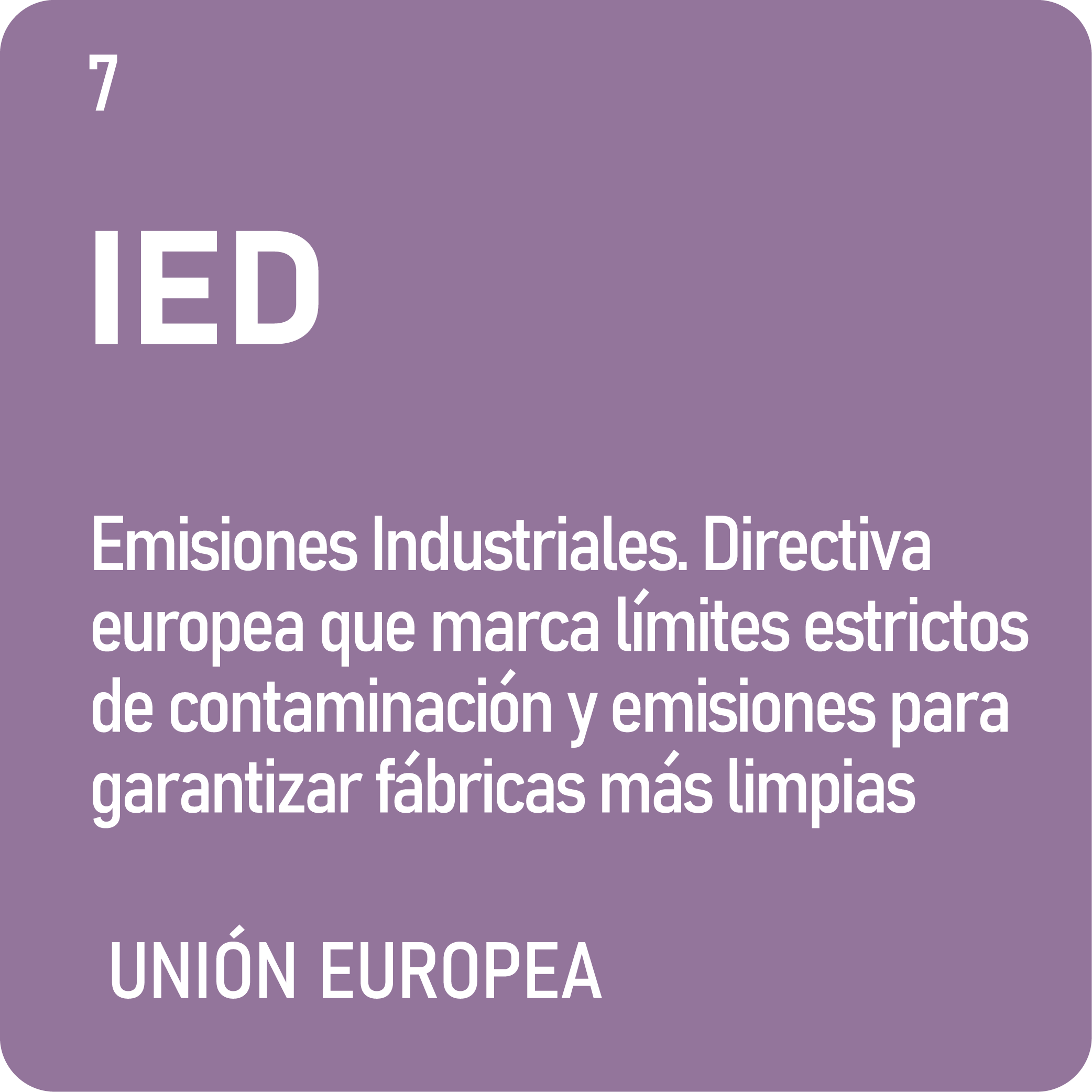
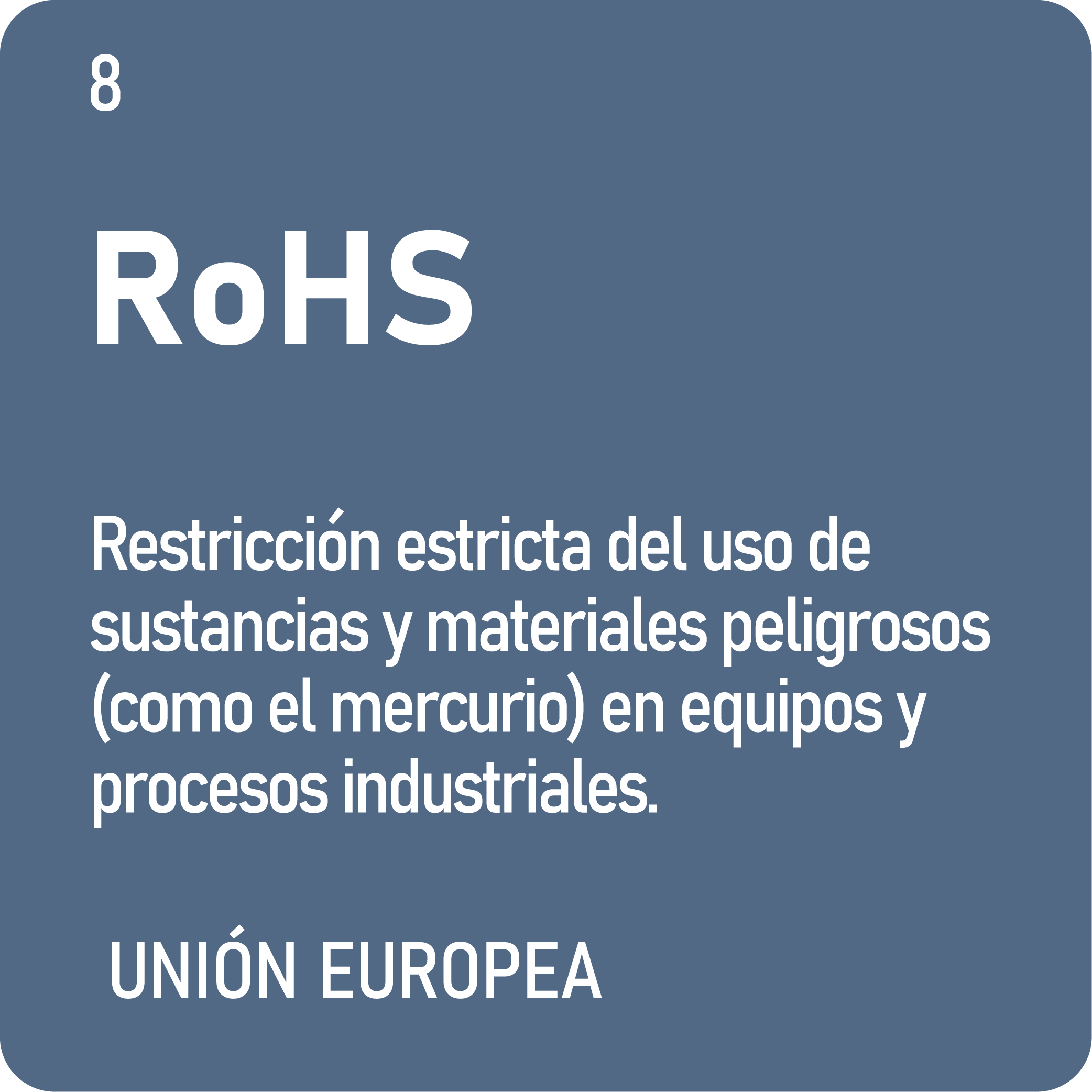
European legislation is becoming increasingly stringent, and with good reason. Looking ahead to 2027, key regulations such as the Carbon Border Adjustment Mechanism (CBAM) will come into force, requiring industrial companies to carry out a detailed life-cycle analysis of their products. Furthermore, the restrictions under the Industrial Emissions Directive (IED) on Volatile Organic Compounds (VOCs) and the definitive end to the use of mercury (RoHS Directive) will mark a turning point. These laws aim to ensure that all companies transparently report their environmental impact through Environmental Product Declarations (EPDs).
Do you find yourself lost in the maze of acronyms and regulations? We’ve put together this glossary to help you make sense of the regulations, understand each term without any hassle, and know exactly where they apply.
New Regulatory Framework: PPWR v. Royal Decree
In the current transition towards a circular economy, it is essential to clarify the legal framework governing the marketing of packaging. The regulatory landscape for businesses rests on two pillars which are not mutually exclusive, but rather complementary:
- Royal Decree 1055/2022 (National Law): This is the current legislation on packaging in Spain. It sets out structural obligations at local level, notably Extended Producer Responsibility (EPR), under which companies assume technical and financial responsibility for the life cycle of the packaging they place on the market (at IQI, we also anticipated this development at the time).
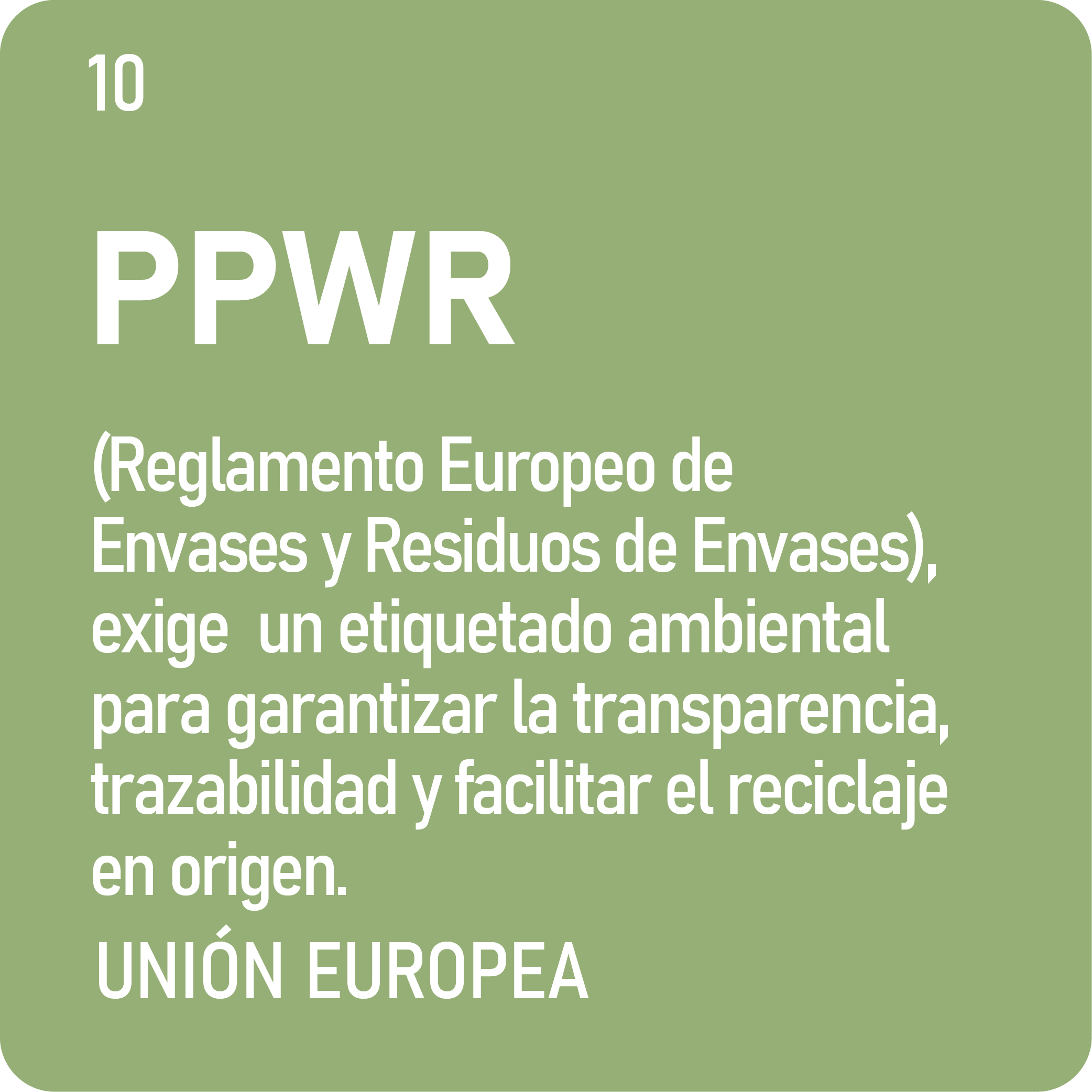
- EU Regulation 2025/40 or PPWR (European legislation): The Packaging and Packaging Waste Regulation is the new EU framework. This regulation does not replace Spanish law, but rather complements it, raising technical, operational and traceability requirements across the entire European Union.
The Mandatory Requirement for the PPWR: Declaration of Conformity (DoC).
To comply with the new European Regulation, technical standards are being significantly tightened. Under the PPWR guidelines, no packaging may be placed on the market in the European Union without a mandatory EU Declaration of Conformity (DoC). This declaration certifies legal compliance and must always be transparently supported by the relevant technical file or comprehensive technical documentation.

Compliance Guarantee at Químicas Iris
At Industrias Químicas Iris, regulatory foresight and the safety of our partners are non-negotiable commitments. We can therefore confirm that we already hold the relevant Declarations of Conformity (DoC) for all the packaging we place on the market. We thus guarantee our customers a smooth, compliant supply that is fully prepared to meet the new European regulatory challenges without interruption.
Actual Measurements + Results: Our Carbon Footprint
This technical and regulatory rigour goes hand in hand with the environmental management approach we implement internally.
At Industrias Químicas Iris, we are not starting from scratch: we have been calculating our carbon footprint for some time now. By focusing our efforts on auditing and optimising those areas of our processes that we had identified as critical, we have managed to end 2025 on an extremely positive note. Far from resting on our laurels, this positive result sets out our roadmap and drives us to keep improving day by day.

Why we comply before it becomes compulsory
Given this situation, it is only natural to ask: so why is it that at Industrias Químicas Iris we are always one step ahead of the law? The answer is simple: sustainability is in our corporate DNA. We do not wait for new regulations to force us to change. We are constantly researching and innovating in our R&D laboratory because we firmly believe that doing things properly is the only way forward. A clear example of this philosophy is our early transition to more efficient technologies, such as the 100% solids UV range, optimised for LED curing. This development enables us to offer our customers instant productivity and drastically reduce energy consumption at their plants.
At the end of the day, staying one step ahead of the law is not a marketing strategy; it is our non-negotiable commitment to the future.
Staying one step ahead of the law and committing to clean production is a step we can take together. Discover how to transform your industrial processes with our 100% solids UV technology or our revolutionary water-based paints. Our efforts are focused on ensuring that all our products undergo constant improvement, with a view to protecting our environment. If you need further information, please contact us at industrias@quimicasiris.com








Recent Comments